
Personal Essays · 6 min read
This Week I Got Cancelled
At the time, my highest-performing account — Instagram — became permanently disabled. 1.25 million views, 80 posts, hundreds of hours of work. Gone overnight.
This week I got cancelled.
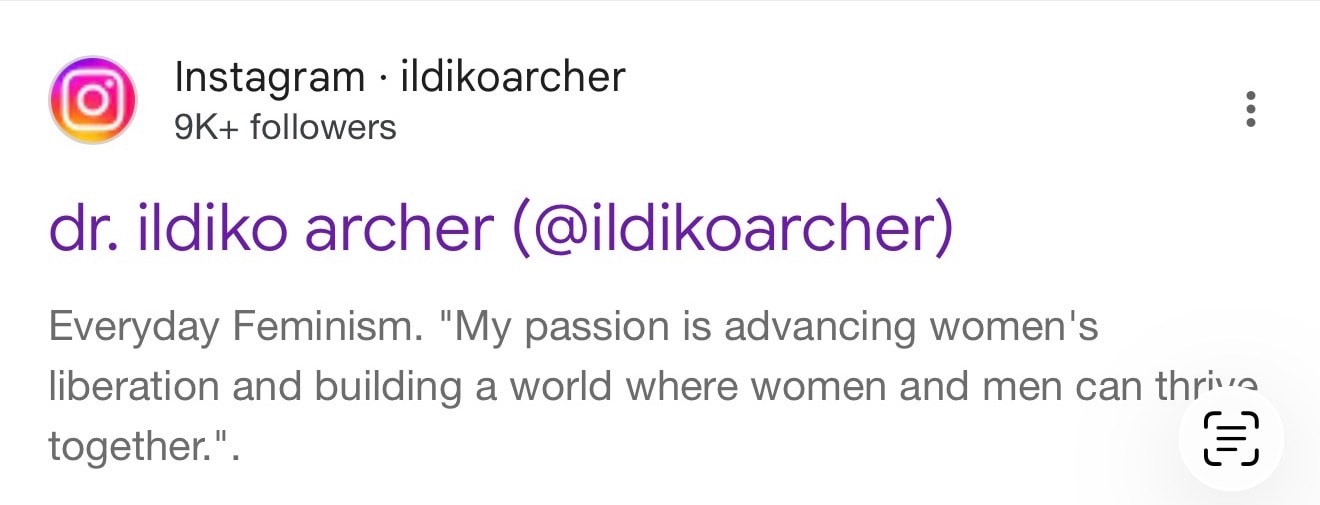
At the time, my highest-performing account — Instagram — became permanently disabled. I was three months in, 80ish posts, hundreds and hundreds of hours recording, with over 1,250,000 views, and I was just about to hit 10k followers. It was exhilarating, taxing, and all-consuming. My friend told me to pay attention to what people react to, and I did. I started planning my grandiose ascent to influencer status, hoping to achieve 100k followers within 2 years; then I would release my book to an existing audience.
I posted on every platform I could muster. Facebook and Instagram were disabled; then there were YouTube and TikTok, and then LinkedIn and Substack, on which I had maybe 9 followers each. TikTok was the worst, very hostile and toxic, so I just got off that one when I got cancelled from Meta.
I initially started posting right after I graduated, simply to build a professional portfolio so that I could transition into full-time women's advocacy. But then people started commenting; people started following. I started to talk to the world, and the world started talking back.
It's par for the course for women to get cancelled for speaking about sex-based reality, but when I got cancelled early this week, I was never informed as to why or what content triggered the alarm. Granted, my content is mature, but I have always been very careful to use language that did not evoke salacious imagery (or so I thought). And there were plenty, and I mean plenty, of creators sharing on similar topics in the same professional, slightly academic, approachable manner.
My content was about the alternative to pornography being eroticism, sexual objectification, addiction, sexual scripts, sex work, and the tension between sexual agency and structural coercion. I talked about significant feminist ideas and debates in what I believed to be a balanced way. This included contemporary sex-based issues, including women's sports and prisons, gender identity in law, abortion, motherhood, fertility, dating apps, hypergamy, and male loneliness. Ultimately, my agenda became less about positioning men and women against each other and more about understanding the cultural forces dividing them and finding ways to bring them back together.
At 2 a.m., I got a notification that someone was trying to access my account from some unknown location. That wasn't the first time, so I didn't think anything of it. But it happened the next day, so it's likely they are related. It might have been the stalker who has nothing better to do with his life than track my demise. He'd already proved his IT security expertise could evade school district security and sent nude photographs to 92 teachers at my workplace. It might have been him, but I will never know, and I don't even care to know.
I wondered if it was the comments that my posts generated. Sometimes the comments were so insightful and guided my content. Other times, they were vulgar. Some thought it was an opportunity for them to tell me about their masturbation habits, looking for affirmation. Other men said I should meet Ted Bundy, called me a conservative Christian, or accused me of having limited ideas of what sexual expression looked like. And of course, the not-so-offensive-anymore TERF slur, which most of us now wear as a badge of honor. Not as a badge of honor for so-called "excluding" men from women's spaces, but because we had the balls to risk social standing as the indoctrinated left ceased to think critically and turned to ad hominem attacks on those who differed in opinion.
People would encourage me as they saw the pushback to my anti-porn content and told me, "You are right when the target starts to feel threatened." I did not teach or speak from a place of shame, but that was often projected onto me. I tried to meet people where they were, even if they were yelling at me through the screen. I was able to disarm many of the male audience members, and they began to share their pain of not experiencing intimacy.
It was shaping who I was; it was a powerful force in my life. It always was, but now more so than ever. I used to have morbid fantasies of what my life would look like if social media just disappeared. There is a saying in recovery that "God does for me what I can't do for myself."
My friends encouraged me to appeal; it was likely AI that made the call. I tried and discovered quickly that there is little discussion once you are disabled. There were probably close to 20 years of my personal profile lost — all the baby pictures, all the life events. The time and energy suck that had become a little too central to my life was removed. Like someone taking away the drug of choice. Just gone.
I will still make content, and it looks like YouTube is the most free-speech-friendly. But I will likely turn to long-form, which might be more suited to my subjects. The grandiose ascent was what I needed to let go of. That and the realization that creators can build a following of millions of people, and it can be taken away in a moment of political disagreement, on the dime of an AI algorithm, or by haters who have nothing going on in their lives other than taking from those bold enough to be in the arena.
It was a sign from the Universe. I decided not to fight it.